
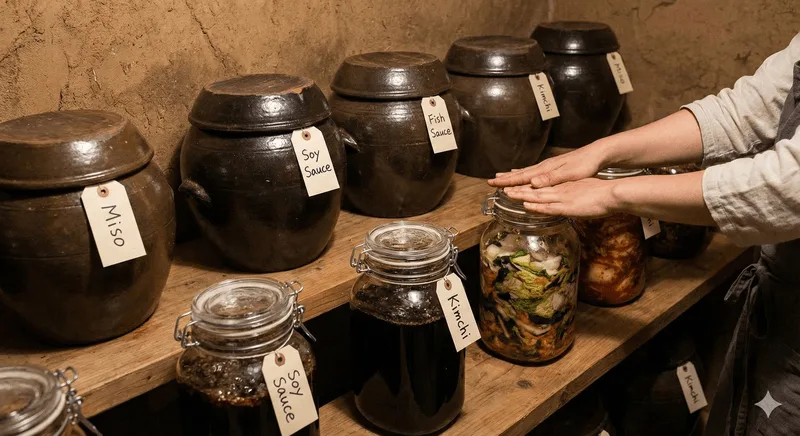
Fermentation sits at the quiet centre of some of the world’s most powerful flavours. Long before chefs discussed umami, people across cultures relied on fermentation to enhance taste, preserve food, and lend meals soul. Today, that same process bridges tradition and modern culinary creativity, showing up in both home kitchens and experimental restaurants.
What fermentation really does to food
Fermentation works by letting natural microorganisms break down sugars, proteins and starches over time. As this happens, simple ingredients develop complexity. Sharp notes soften, savoury depth increases, and flavours become layered rather than loud. This slow transformation is where umami emerges most clearly.
You taste it in soy sauce, miso, fish sauce, kimchi, cheese and cured meats. None of these rely on speed. They rely on patience, time and trust in the process.
Why umami and fermentation belong together
Umami thrives on amino acids, especially glutamates, which fermentation helps release and amplify. That is why fermented foods feel satisfying even in small amounts. They linger on the palate. They round out dishes without overpowering them.
- Fermentation unlocks natural savouriness rather than adding artificial intensity
- Umami adds balance, depth and fullness to food
- Together, they create a flavour that feels comforting and complete
This is why a spoon of miso can transform a broth, or why aged cheese needs little accompaniment.
Roots in tradition
Across cultures, fermentation developed out of necessity. People needed to preserve food, stretch ingredients, and survive seasons. What they discovered along the way was flavour.
In Japan, miso and soy sauce evolved over centuries. In Korea, kimchi became a daily staple. In Europe, cheese and cured meats defined regional identities. None of these were designed to be trendy. They were practical, cultural and deeply local.
That history matters because it gives fermentation context. It reminds us that umami is not a shortcut. It is earned.
How modern kitchens are using it differently
Today’s chefs respect the roots but experiment with the edges. Fermentation has moved from storage rooms into test kitchens.
You now see chefs fermenting vegetables, fruits, dairy and even proteins in controlled ways to build new flavours. They use koji to develop savoury notes in unexpected ingredients. They ferment sauces, butters and oils to add depth without heaviness.
- Fermented components replace excessive salt or fat
- Small amounts deliver big impact
- Dishes feel complex but still clean
Innovation here does not mean abandoning tradition. It means understanding it well enough to push it gently forward.
Using fermentation at home or in simple cooking
You do not need a lab or special tools to start appreciating fermented umami.
- Add a spoonful of miso to soups, sauces or marinades
- Finish vegetables with a splash of soy sauce instead of extra salt
- Use fermented dairy like yogurt or kefir to add tang and depth
- Try simple pickling or vegetable ferments to understand flavour change over time
Pay attention to how little you need. Fermented umami works best when it supports, not dominates
Why it still feels relevant today
In a fast-food world, fermentation slows things down. It asks you to wait, taste and adjust. It rewards patience. That alone makes it valuable. But more than that, it connects past and present. It shows how old methods still solve modern problems like flavour fatigue, over-seasoning and lack of depth.
Umami fermentation lives between tradition and innovation because it respects both. It honours time while inviting creativity. Whether in a centuries-old recipe or a modern plate, it reminds us that the best flavours are rarely rushed.
Study hospitality in Dubai.
KHDA-licensed programmes in culinary arts, hotel management, travel and tourism.
Related reading
The Green Wave: How Matcha Turned from Tradition to Trend
Discover how matcha evolved from a revered ritual to a modern-day staple across cafés and wellness routines.
The Classic Five: Foundations of French Sauce-Making
Discover the essential five “mother sauces” of French cuisine: Béchamel, Velouté, Espagnole, Tomato, and Hollandaise. Learn how mastering these builds…
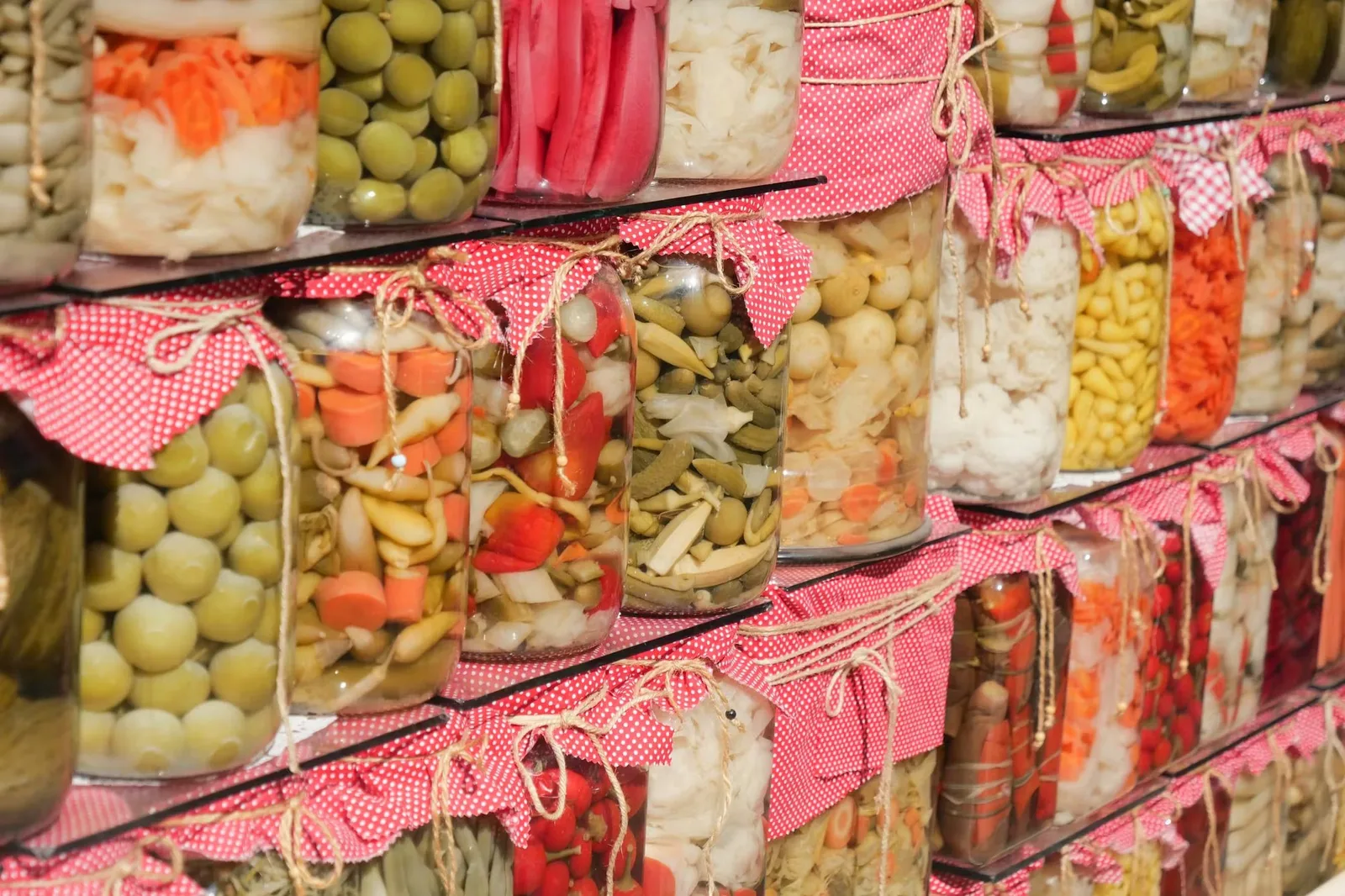
The Science Behind Fermentation and Its Culinary Applications
Discover the timeless art of fermentation—a process that elevates flavor, boosts nutrition, and extends shelf life with science and tradition.